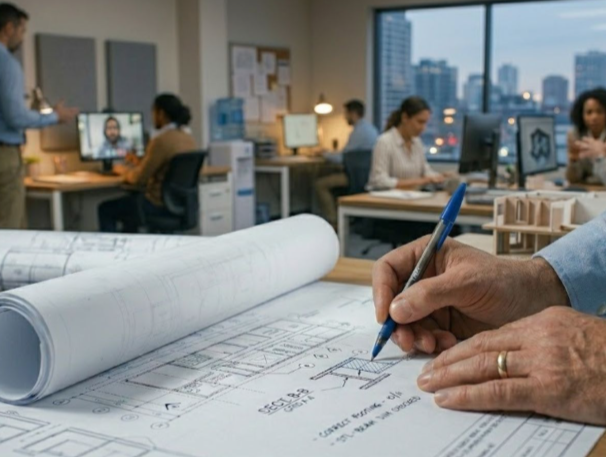
General contracting is the foundation of successful construction work because it brings structure, coordination, and accountability to every stage of a build. Without it, construction projects often become disorganized, delayed, and inconsistent in quality. With it, every detail from planning to execution is managed through a clear system that keeps all moving parts aligned.
At its core, construction management is about turning complex ideas into fully functional structures through expert supervision and coordination. It ensures that every phase of construction works together smoothly, reducing confusion and improving overall outcomes. In modern construction, where precision and efficiency matter more than ever, this approach has become essential for delivering reliable results.
This level of structured execution is reflected in the work of JC Beal Construction, where professional processes, careful coordination, and consistent oversight help ensure that each stage of a project is handled with accuracy and clarity. This article explores why this approach plays such a critical role, how it improves construction performance, and what makes it the backbone of successful building projects.
The Core Purpose of General Contracting
Construction work involves many moving parts, including multiple teams, materials, schedules, and technical requirements. Without a central system to manage these elements, even simple projects can quickly become difficult to control and disorganized. A central coordinator is responsible for ensuring that every part of the project moves in the right direction through proper planning, workflow management, and guidance across all phases of work.
This role includes organizing all construction activities into a structured process, ensuring each stage follows the correct sequence, and aligning different teams toward one shared goal. It also involves monitoring progress, maintaining consistency, and preventing miscommunication between teams. Through this structured approach, scattered construction tasks are transformed into a unified and successful project.
Why Coordination Matters in Construction
One of the biggest challenges in construction is coordination. Many different tasks must occur simultaneously, often in tight sequences. If one step is delayed or completed incorrectly, it can affect everything that follows. A structured management system solves this issue by creating a central point of coordination. Instead of each team working independently, all teams follow a unified plan.
Effective coordination ensures:
- Tasks are completed in the correct order
- Teams do not interfere with each other’s work
- Resources are used efficiently
- Progress remains steady and predictable
When coordination is strong, construction becomes more stable and controlled. This leads to smoother project execution and fewer disruptions.
Planning as the Foundation of Success
Every successful construction project begins with strong planning. Heavy emphasis is placed on preparing a clear roadmap before work begins. This plan acts as a guide for every stage of the build.
Planning typically includes:
Breaking down the project into structured phases
Identifying required materials and work sequences
Establishing clear responsibilities for each team
Setting expectations for progress at each stage
Without proper planning, construction work becomes reactive instead of organized. Problems are solved only after they appear, which can slow down progress and create confusion. With structured planning, challenges are anticipated early, and solutions are built into the process.
Communication as a Critical Factor
Communication is one of the most important elements in construction management. Construction involves many people working together, and clear communication ensures everyone understands what needs to be done.
Poor communication often leads to mistakes, delays, and rework. A structured management approach reduces these risks by creating a clear communication flow between all parties involved.
Strong communication leads to:
- Better understanding of tasks and expectations
- Faster decision-making during construction
- Reduced errors caused by misinterpretation
- Improved teamwork across all stages
When communication is consistent and structured, construction becomes more efficient and predictable.
Maintaining Quality Across Every Stage
Quality is a defining factor in successful construction projects. It ensures that standards are not left to chance but are actively maintained throughout the entire process.
Instead of checking quality only at the end, it is monitored continuously at every stage. This helps identify issues early and correct them before they become larger problems.
Quality control includes:
- Reviewing work at each stage of construction
- Ensuring materials meet required standards
- Verifying that tasks follow the intended design
- Making adjustments when issues are detected
This continuous attention to detail ensures that the final result is strong, reliable, and well-constructed.
Managing Multiple Teams Effectively
Construction projects often require multiple specialized teams working together. These teams may focus on different parts of the structure, but they all need to stay aligned with the overall plan. General coordination ensures that each team understands its role and works in sync with others. Without this coordination, teams may overlap work or create delays for each other.
Effective team management includes assigning clear responsibilities to each group, ensuring smooth transitions between project phases, preventing work conflicts between teams, and keeping everyone aligned with the project timeline. This structured approach allows multiple teams to work as one unified system, improving efficiency and reducing confusion throughout the project.
Problem-Solving During Construction
No construction project is completely free of challenges. Unexpected issues can appear at any stage, whether related to design adjustments, material availability, or site conditions. These challenges can disrupt progress if they are not addressed quickly and properly. The ability to respond effectively ensures that work continues with minimal interruption and maintains overall project stability.
Effective problem-solving involves identifying issues as soon as they arise, quickly evaluating possible solutions, making informed decisions to resolve challenges, and minimizing disruption to ongoing work. This ability to adapt and respond is one of the strongest advantages of professional project management, allowing construction activities to stay on track even when unexpected situations occur.
Scheduling and Workflow Management
Time management is another critical element of successful construction. Each phase of work follows a structured schedule to ensure activities are completed in the correct order and progress remains consistent throughout the project.
Instead of tasks being completed randomly, they are organized in a logical sequence. This prevents delays and ensures that each stage is completed before the next begins.
Effective scheduling includes:
- Defining the order of construction activities
- Ensuring smooth transitions between phases
- Avoiding unnecessary downtime
- Keeping progress consistent from start to finish
A well-managed workflow creates a steady rhythm throughout the project, improving overall efficiency.
Reducing Risks in Construction Projects
Construction always involves certain risks, including structural errors, safety concerns, and coordination issues. These challenges can disrupt progress and affect the overall quality of a project if not properly managed. Through careful oversight and structured processes, these risks are minimized by ensuring that every stage of work is closely monitored and properly guided.
Risk reduction strategies include continuous monitoring throughout the project, ensuring that all tasks follow proper procedures, identifying potential issues early, and maintaining clear responsibility for each phase of work. By addressing problems before they escalate, construction becomes more controlled, stable, and significantly safer for everyone involved.
Ensuring Accountability in Every Step
Accountability is essential in construction because every task affects the final outcome. Responsibilities are clearly defined so that each part of the project is properly managed from start to finish. This structured approach ensures that work is completed with consistency, accuracy, and attention to detail, reducing confusion and improving overall coordination.
When accountability is strong:
- Work is completed with greater attention to detail
- Teams take responsibility for their tasks
- Errors are addressed more effectively
- The overall project remains more organized
This structure builds trust in the process and improves the final results.
Why General Contracting Leads to Better Results
Construction success is not just about managing tasks it is about creating a structured system that supports smooth execution from start to finish. It brings together planning, coordination, communication, quality control, and problem-solving into one unified process. Without this structure, construction work often becomes fragmented and difficult to manage, leading to confusion and inefficiency. With it, every part of the project is aligned toward a clear and shared objective.
This organized approach delivers several key advantages, including a more structured workflow, improved communication between teams, higher quality outcomes, better problem resolution, and stronger overall project execution. These benefits work together to ensure that construction projects remain efficient, consistent, and well-managed. This is why it is considered essential for achieving successful outcomes in any type of construction environment.
Final Thoughts
General contracting is the backbone of successful construction because it transforms complexity into structure. It ensures that every stage of a project is planned, coordinated, and executed with precision. From managing teams to maintaining quality and solving problems, it provides the control needed to deliver strong and reliable results. In modern construction, where expectations are higher than ever, it remains one of the most important factors in achieving success.
This level of structured execution is reflected in the work of JC Beal Construction, where careful coordination, disciplined planning, and consistent oversight help ensure that each phase of construction is handled with accuracy and efficiency from start to finish.
JC Beal Construction
13053 Grand River Ave
Phone: (313) 282-3617
Website: https://jcbeal.com/