

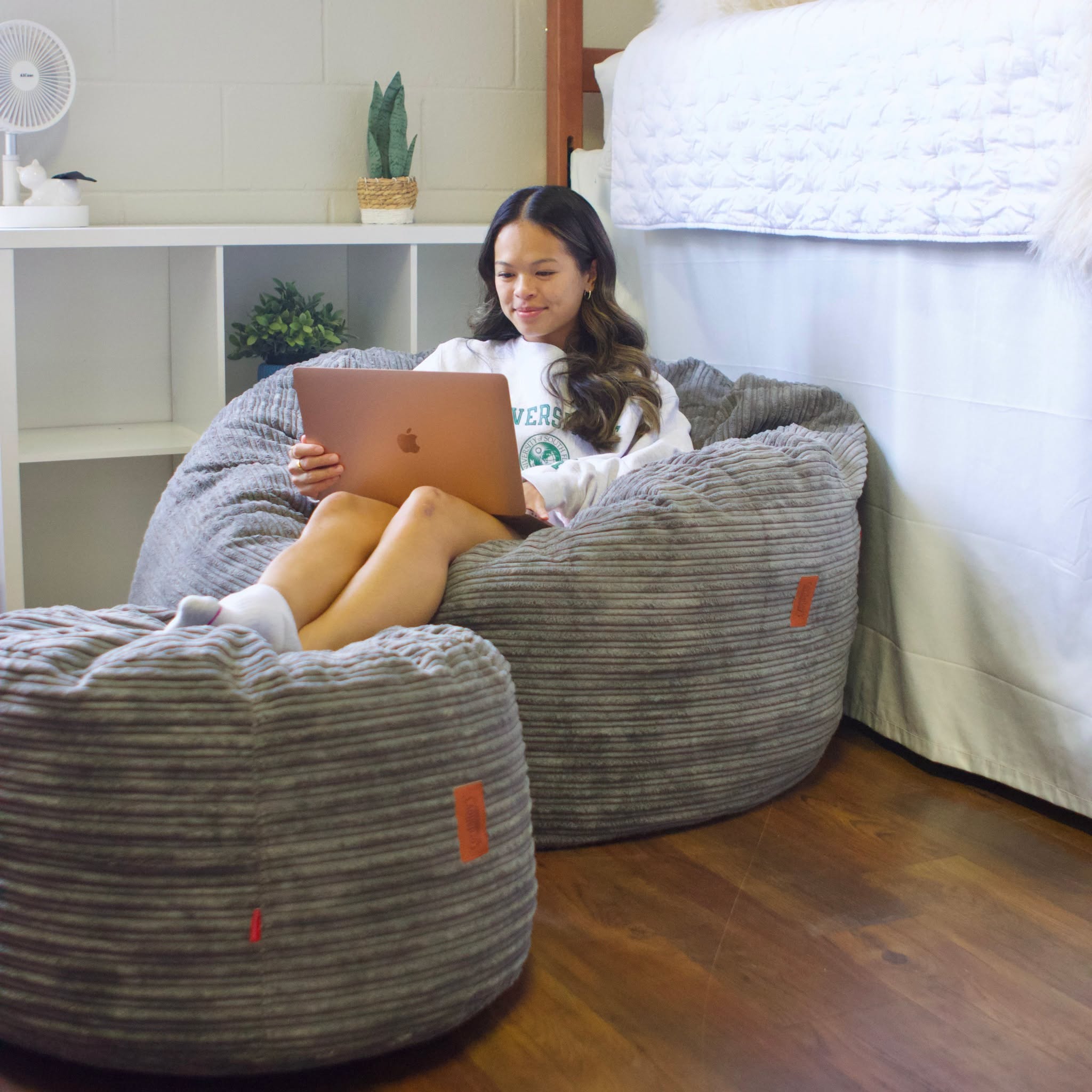
Have you ever walked into a room and immediately wanted to sit down and stay for a while? Then there are other rooms that look perfectly fine in photographs but somehow make you want to leave. The difference is not always expensive furniture, a larger floor plan, or professional interior design. Often, comfort comes from dozens of small details working together.
A comfortable room responds naturally to how people use it. An awkward room may technically contain everything it needs, yet something about the layout, lighting, proportions, or atmosphere feels disconnected. Understanding these subtle differences can help homeowners create spaces that are pleasant to live in rather than simply attractive to look at.
Furniture Placement Changes How a Room Feels
Furniture has a major influence on movement. A sofa might be beautiful, but if people have to squeeze around it every time they cross the room, it quickly becomes frustrating.
Comfortable rooms usually have obvious pathways. People can enter, sit down, open doors, reach storage, and move between areas without constantly adjusting their movements. Furniture also tends to relate to other furniture. Chairs positioned close enough for conversation, for example, make a living area feel more welcoming.
This becomes particularly important in family homes. Advice found in resources such as a parenting guide Australia may focus heavily on routines and family life, but the physical environment can influence those routines too. A living room with accessible storage and enough open space may be easier for both adults and children to use comfortably.
Lighting Can Completely Change the Atmosphere
Lighting is one of those features people often notice without consciously thinking about it. A room illuminated entirely by one bright ceiling fixture can feel harsh, particularly at night.
Using different sources of light generally creates a softer environment. Floor lamps, table lamps, natural daylight, and task lighting can serve different purposes throughout the day. A reading chair benefits from focused lighting, while a dining area may feel better with softer illumination.
Natural light matters as well. Heavy furniture blocking windows or curtains that restrict daylight can make even a reasonably large room feel enclosed. Allowing daylight to move through the space can create a stronger sense of openness.
Proportion Matters More Than Size
A small room does not automatically feel uncomfortable, just as a large room does not automatically feel inviting. Proportion often matters more.
Oversized furniture can dominate a compact room, while tiny pieces scattered around a large space can make it feel unfinished. The relationship between furniture, rugs, artwork, windows, and available floor space creates visual balance.
Australian lifestyle platforms such as Melbwire Australia often reflect the variety of ways people use urban homes, where making thoughtful use of available space can be more important than simply having more square metres.
Empty Space Has a Purpose
There can be a temptation to fill every empty wall, corner, shelf, and surface. However, empty space gives the eye somewhere to rest.
A room packed with furniture and decorative objects may feel visually demanding. Removing unnecessary items can sometimes improve the space more effectively than buying something new.
This does not mean adopting an extremely minimalist interior. Personal belongings give homes character. The aim is simply to avoid making every available area compete for attention. Publications such as Vizz Blog cover broad lifestyle subjects, and this idea fits a wider principle that is useful beyond interior design: more is not necessarily better.
Rooms Need a Clear Purpose
Awkwardness sometimes comes from uncertainty about what a room is supposed to do. A dining room that doubles as an office, storage area, homework station, and exercise space can quickly become difficult to manage.
Multipurpose rooms are often necessary, especially in smaller homes, but each activity should ideally have some form of defined zone. A desk can occupy one corner while storage keeps work materials contained. A dining table can then remain available for meals rather than permanently disappearing beneath paperwork. Clear functions make spaces easier to understand and use.
Comfort Is Also Personal
Interior design rules can provide useful guidance, but a home should ultimately work for the people living there. Someone who regularly hosts friends may value flexible seating. A family might prioritize durable surfaces and easy storage. Someone working from home may care more about quiet areas and natural light.
Local conversations on a Sydney community blog, for instance, may reveal very different priorities depending on whether people live in apartments, suburban family homes, or shared properties. Comfort is influenced by lifestyle, climate, household size, routines, and personal preferences.
A technically perfect room can still feel impersonal if it says nothing about the people who use it. Books, photographs, plants, artwork, inherited furniture, and objects collected over time can provide warmth that cannot always be achieved through coordinated decor alone.
Small Details Create the Overall Experience
Temperature, sound, texture, and even where you naturally put down a cup can influence whether a space feels comfortable. Rugs can soften hard floors and reduce echoes. Curtains can make a room feel warmer. A side table beside a chair can make that seat noticeably more useful.
These details are easy to overlook because none seems especially important on its own. Together, however, they determine whether living in the room feels effortless or slightly inconvenient.
Conclusion
The difference between a comfortable room and an awkward one rarely comes down to a single decorating decision. It is usually created by the relationship between movement, lighting, proportion, purpose, personal belongings, and the small practical details of daily life.
Instead of asking whether a room looks fashionable, it can be more useful to ask whether it works naturally. Can people move around easily? Is there enough light where it is needed? Does the furniture suit the scale of the space? Does the room support the activities that actually happen there?
When those questions have good answers, a room does not need to be perfect. It simply feels right.


