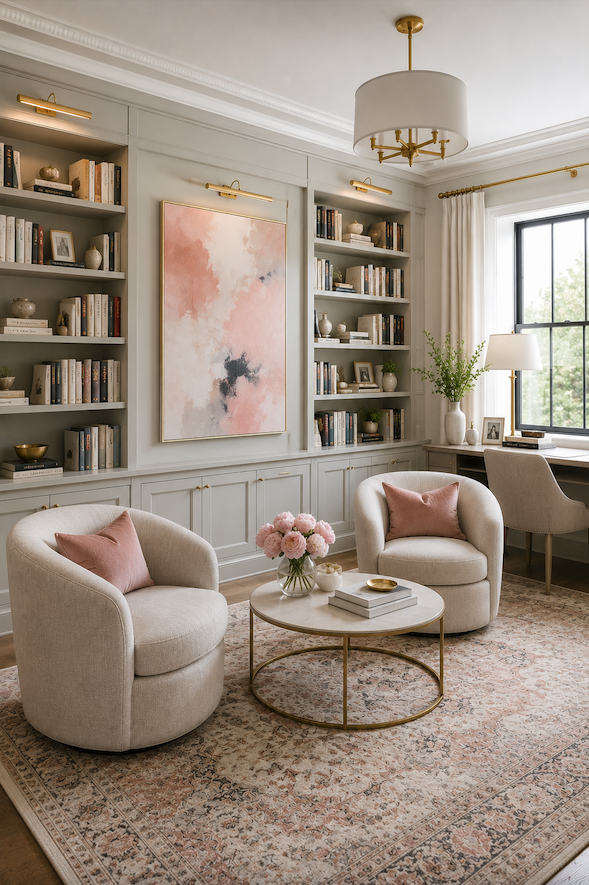
Creating a more comfortable home does not always require knocking down walls, replacing an entire kitchen, or committing to an expensive renovation. Often, the improvements that make the greatest difference are much smaller. Better lighting, smarter storage, softer furnishings, improved airflow, and a few practical changes can transform how a home feels and functions every day.
The key is to look beyond appearance alone. A comfortable home should support daily routines, provide places to relax, and make ordinary tasks easier. Instead of following every new interior trend, homeowners can focus on the areas that create regular frustration and make targeted improvements.
Start With Everyday Comfort Problems
Before buying new furniture or planning decorative changes, spend some time identifying what makes each room uncomfortable. Perhaps the living room feels too dark in the evening, the bedroom becomes too warm, or the entrance constantly collects shoes and bags.
Small annoyances can reveal where upgrades will have the greatest impact. Resources such as TheParent can also provide useful inspiration for households looking at organization, family routines, and practical living ideas. The objective should be to make the home work better for the people using it rather than simply making it look different.
Improve Lighting Where It Matters
Lighting has a major influence on the atmosphere and usefulness of a room. One central ceiling fixture may provide general illumination, but it rarely works equally well for reading, cooking, working, relaxing, and entertaining.
Adding different sources of light can provide greater flexibility. A floor lamp beside a sofa can create a comfortable reading area, while under cabinet lights can make kitchen work surfaces easier to use. Table lamps can soften bedrooms and living areas during the evening.
Natural light deserves attention as well. Heavy furniture positioned in front of windows can restrict daylight. Moving furniture, using lighter window treatments, or strategically positioning mirrors can help distribute natural light without requiring structural alterations.
Make Storage Part of Daily Routines
Storage is most effective when it reflects how people actually use their homes. A large cabinet in the wrong location may be less useful than a few well positioned hooks, baskets, or shelves.
Consider where clutter naturally accumulates. If keys, bags, and shoes gather near the entrance, create a simple drop zone. If bathroom counters are crowded, wall storage or drawer organizers may provide an easy solution. Underused walls and awkward corners can sometimes accommodate floating shelves or narrow storage units.
Lifestyle publications and Melbwire style online reading can expose homeowners to different approaches to modern living, but any idea should ultimately be adapted to the household’s available space and routines. An organized home does not need to look minimalist. It simply needs convenient places for frequently used belongings.
Pay Attention to Temperature and Airflow
A beautifully decorated room can still feel uncomfortable when it is consistently too warm, cold, or stuffy. Before considering expensive heating or cooling changes, check simpler issues.
Furniture or curtains may be blocking vents. Small gaps around doors and windows can contribute to drafts, while ceiling fans can help circulate air. Weatherstripping and appropriate sealing can also improve indoor temperature stability when installed correctly.
For larger insulation, electrical, ventilation, or structural concerns, professional advice is appropriate. Small scale improvement should not mean attempting specialist work without the necessary knowledge.
Introduce Comfort Through Textiles
Soft furnishings provide one of the easiest ways to change how a room feels without permanently altering it. Rugs can make hard floors more comfortable underfoot while also helping reduce echo. Curtains can soften a room visually, and cushions, throws, and comfortable bedding can make relaxation areas more inviting.
People browsing Australian articles about interiors and lifestyle may encounter constantly changing design trends. Instead of replacing furnishings whenever a new style becomes popular, it is often more practical to choose textiles based on comfort, durability, maintenance, and the way a room is actually used.
Seasonal changes can work particularly well. Lighter fabrics can create a fresher feeling during warmer months, while heavier curtains, rugs, and throws can make spaces feel cozier during cooler periods.
Make Existing Spaces Work Harder
Sometimes the most effective upgrade involves changing how an existing area is used. An empty corner can become a reading space with a comfortable chair and lamp. Space beneath stairs may offer storage opportunities, while an unused section of a bedroom could accommodate a compact desk.
Digital resources such as https://pinksahelimetrocard.com demonstrate how people increasingly turn to online platforms for practical information. The same research driven approach can be useful when planning home improvements. Comparing ideas before purchasing materials or furniture can prevent unnecessary spending and encourage more thoughtful decisions.
Upgrade Small Functional Details
Minor functional changes are easy to overlook, yet they can noticeably improve everyday convenience. Replacing worn cabinet handles, adding drawer dividers, installing hooks, fixing sticking doors, organizing charging cables, or adding a better positioned lamp can remove small frustrations from daily routines.
These changes may not produce dramatic before and after photographs, but their value becomes clear through repeated use. A home becomes more comfortable when ordinary activities require less effort.
Create Comfort Gradually
Improving a home does not need to happen all at once. Begin with the rooms used most frequently and address one problem at a time. This approach makes spending easier to control and allows each change to be evaluated before moving on to another project.
Thoughtful small scale upgrades are ultimately about understanding how a home supports everyday life. Better lighting, practical storage, improved airflow, comfortable textiles, and smarter use of existing space can collectively create meaningful change. Rather than pursuing renovation for its own sake, focusing on small improvements that solve genuine problems can produce a home that feels more comfortable, functional, and enjoyable every day.