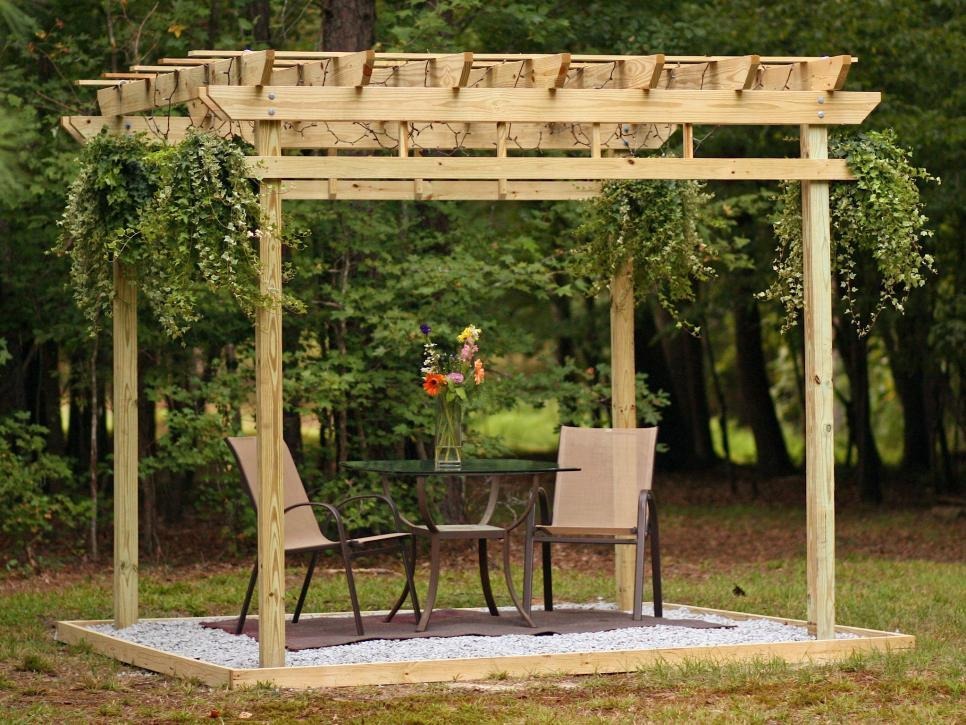
Pergolas have become a defining feature in modern backyard design, offering a structured way to enjoy outdoor spaces while enhancing the overall character of a home. Whether used to shade a patio, frame a seating area, or create a focal point in a garden, a pergola influences both function and aesthetics. One of the most important decisions homeowners face is selecting the right material.
Metal and wood pergolas are among the most widely used options, each offering distinct advantages. The choice between them is not simply about appearance—it involves considerations such as durability, maintenance, climate suitability, and long-term performance. Understanding how these materials compare helps ensure that the pergola meets both practical needs and design goals.
The Role of Pergolas in Backyard Design
A pergola serves as more than a decorative structure. It defines space, creates shade, and enhances how outdoor areas are used throughout the day. By introducing a sense of enclosure without fully closing off the environment, it allows homeowners to enjoy fresh air while maintaining comfort.
In well-designed backyards, pergolas also contribute to visual flow. They connect patios, walkways, and landscaping elements, creating a cohesive environment that feels intentional and inviting.
Supporting Everyday Outdoor Living
Modern outdoor spaces are designed to support a variety of activities, from casual relaxation to social gatherings. A pergola provides the structure needed to make these spaces functional. The choice of material directly affects how well the pergola performs in these roles over time.
Factors such as shade, durability, and maintenance all influence the overall experience.
Understanding Wood Pergolas
Wood pergolas have long been valued for their natural beauty and versatility. They can be customized with different finishes, stains, and design details, making them suitable for a wide range of architectural styles. This flexibility allows homeowners to create a structure that reflects their personal preferences.
However, wood is a natural material that requires consistent maintenance. Exposure to moisture, sunlight, and insects can lead to issues such as warping, cracking, or fading if not properly managed.
Maintenance and Aging
Maintaining a wood pergola involves regular sealing, staining, and inspection. These steps help preserve the material’s appearance and structural integrity, but they also require time and effort. Over time, wood develops a unique character, which some homeowners appreciate as part of its appeal.
For those who enjoy hands-on upkeep, wood remains a compelling option despite its maintenance demands.
Exploring Metal Pergolas
Metal pergolas, particularly those made from aluminum, offer a modern alternative that addresses many of the challenges associated with wood. These structures are designed to provide strength and durability while maintaining a clean and consistent appearance.
Advances in manufacturing have also made it possible for metal pergolas to replicate the look of wood, combining traditional aesthetics with modern performance. This has contributed to their growing popularity in outdoor design.
Durability and Low Maintenance
Metal pergolas are resistant to moisture, insects, and UV damage, making them a reliable option for long-term use. Unlike wood, they do not warp or crack, and their finishes are designed to resist fading.
Companies such as Royal Covers have developed metal pergola systems that emphasize both durability and design flexibility. Their solutions reflect a broader shift toward materials that require less upkeep while maintaining visual appeal.
Comparing Metal and Wood Pergolas
The decision between metal and wood pergolas often comes down to balancing aesthetics with practicality. Both materials can enhance a backyard, but they offer different benefits depending on the homeowner’s priorities.
For those evaluating their options, exploring insights on choosing metal or wood pergolas can provide a clearer understanding of how each material performs in real-world conditions.
Performance in Different Climates
Climate plays a significant role in determining which material is most suitable. In areas with high humidity or frequent rainfall, metal pergolas may offer better resistance to moisture-related issues. Their ability to withstand environmental stress makes them a practical choice for challenging conditions.
Wood pergolas can perform well in a variety of climates, but they require additional care to maintain their condition. Proper maintenance is essential to ensure longevity.
Aesthetic Considerations
Wood provides a natural texture and warmth that many homeowners find appealing. Its ability to be customized allows for unique designs that reflect individual preferences. This makes it particularly suitable for traditional or rustic settings.
Metal pergolas, while engineered, offer a consistent and polished look. They are available in a range of finishes, including wood-like textures, allowing them to blend with different architectural styles.
Integrating Pergolas with Outdoor Features
A pergola should be part of a cohesive outdoor design rather than a standalone feature. Coordinating it with elements such as patios, seating areas, and landscaping enhances both functionality and visual appeal. This integration creates a space that feels complete and well-planned.
Homeowners exploring ways to improve their outdoor environments may find inspiration in this guide to patio covers, which highlights how different structures contribute to overall design.
Coordinating with Flooring and Surfaces
The effectiveness of a pergola also depends on the surfaces beneath it. Choosing the right patio flooring can enhance both comfort and durability. Materials such as stone, concrete, or wood decking each offer different benefits.
For practical ideas on selecting these materials, homeowners can explore these patio flooring concepts, which provide insight into how different options perform in outdoor settings.
Installation and Structural Considerations
Proper installation is essential for ensuring that a pergola performs well over time. This includes preparing a stable foundation, securing the structure appropriately, and accounting for environmental factors such as wind and drainage. Both metal and wood pergolas require careful planning to achieve the best results.
Prefabricated metal systems often allow for more precise assembly, while wood pergolas may require custom construction. Working with experienced professionals helps ensure that the structure is both stable and visually aligned with the home.
Planning for Long-Term Use
Considering how the pergola will be used over time helps guide material selection. A structure that aligns with the homeowner’s lifestyle and environmental conditions is more likely to remain functional and visually appealing.
Thoughtful planning ensures that the pergola becomes a lasting feature rather than a temporary addition.
Final Thoughts on Pergola Material Selection
Choosing between metal and wood pergolas involves weighing durability, maintenance, and design preferences. Each material offers unique benefits, and the right choice depends on how the space will be used and maintained.
With careful consideration and proper integration into the backyard design, a pergola can enhance both the comfort and character of an outdoor living space. The goal is to create a structure that supports everyday use while maintaining its appeal over time.