Indoor air quality plays a major role in the health, comfort, and well-being of everyone living in a home. While homeowners often focus on ventilation systems, air purifiers, and HVAC maintenance, the materials used on walls and ceilings can also have a significant impact on indoor air quality.
Two of the most important components of interior walls are drywall and paint. Together, they create more than just a finished appearance—they can help reduce moisture problems, limit mold growth, and contribute to a healthier indoor environment.
In this article, we’ll explore how drywall and paint work together to improve indoor air quality and why choosing the right materials is important for every home.
Understanding Indoor Air Quality
Indoor air quality refers to the condition of the air inside a home or building. Poor indoor air quality can result from pollutants such as dust, mold spores, volatile organic compounds (VOCs), allergens, and excess moisture.
When indoor air quality declines, occupants may experience symptoms such as headaches, allergies, respiratory irritation, and general discomfort. Maintaining healthy indoor air requires a combination of proper ventilation, moisture control, and quality building materials.
Drywall and paint play an often-overlooked role in supporting these goals.
The Role of Drywall in Indoor Air Quality
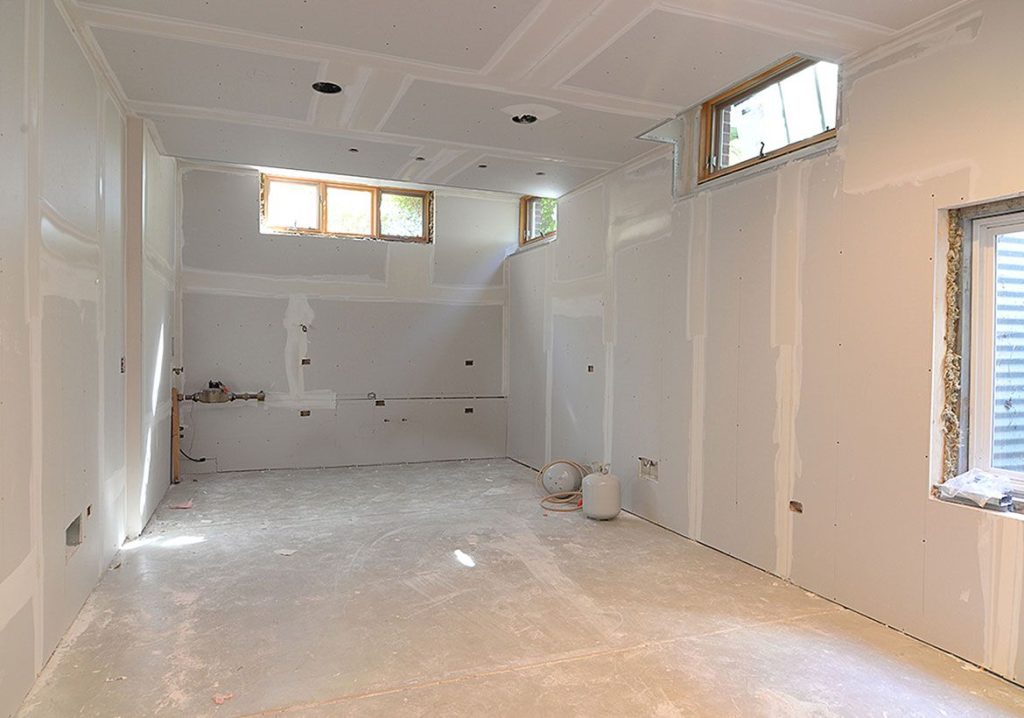
Drywall forms the foundation of most interior walls and ceilings. Beyond providing a smooth surface, it helps regulate moisture levels and supports a healthier indoor environment.
Modern drywall products are designed with improved durability and moisture resistance, making them an important component in preventing conditions that contribute to poor air quality.
Properly installed drywall helps create a stable indoor environment while supporting the overall performance of the home’s structure.
Moisture Control and Mold Prevention
Excess moisture is one of the leading causes of indoor air quality problems.
When moisture becomes trapped inside walls, it can create ideal conditions for mold and mildew growth. These contaminants release spores into the air, potentially causing respiratory issues and allergic reactions.
Quality drywall helps control moisture movement within walls. In areas such as bathrooms, kitchens, and basements, moisture-resistant drywall provides additional protection against damp conditions.
Proper moisture management reduces the likelihood of mold development and contributes to cleaner indoor air.
Reducing Dust and Airborne Particles
Well-maintained drywall surfaces help minimize dust accumulation.
Damaged or deteriorating drywall can release small particles into the air, especially when cracks, holes, or surface deterioration are present. Repairing damaged areas and maintaining smooth wall surfaces helps reduce airborne debris.
Professional drywall maintenance and repairs contribute to a cleaner and healthier indoor environment.
How Paint Supports Air Quality
Paint serves as more than a decorative finish. It acts as a protective layer that seals drywall surfaces and contributes to indoor air quality.
The type of paint used can significantly influence the air inside a home. Modern paint technologies offer low-emission options that help reduce indoor pollutants.
Choosing quality paint products can make a noticeable difference in overall air quality and occupant comfort.
Low-VOC and Zero-VOC Paints
Traditional paints often contain volatile organic compounds (VOCs), which can release chemicals into the air during and after application.
These emissions may contribute to indoor air pollution and cause unpleasant odors or irritation. Fortunately, many modern paints are formulated with low-VOC or zero-VOC technology.
These products help minimize chemical emissions while still providing excellent durability and appearance.
Creating a Protective Barrier
Paint creates a protective seal over drywall surfaces.
This barrier helps prevent dust, dirt, and minor contaminants from becoming trapped within porous wall materials. It also makes surfaces easier to clean and maintain over time.
A properly painted wall contributes to a cleaner indoor environment while protecting the drywall underneath.
Preventing Mold and Mildew Growth
Certain paints are specifically formulated with antimicrobial and mildew-resistant properties.
These products help inhibit the growth of mold and mildew on painted surfaces, especially in moisture-prone areas such as bathrooms and kitchens.
When combined with moisture-resistant drywall, these paints create a strong defense against conditions that negatively affect indoor air quality.
The Importance of Proper Installation
Even the best drywall and paint products cannot perform effectively if they are installed incorrectly.
Poor drywall installation may leave gaps, cracks, or exposed areas that allow moisture infiltration. Improper paint application can also reduce protective performance and shorten product lifespan.
Professional installation ensures that both drywall and paint work together effectively to support a healthier home environment.
Repairing Damage Improves Air Quality
Cracks, holes, water damage, and deteriorating surfaces can compromise indoor air quality.
Damaged drywall may allow moisture to enter wall cavities, increasing the risk of mold growth. Similarly, peeling or damaged paint can expose surfaces to contaminants and environmental stress.
Timely repairs help maintain the protective function of both materials and support cleaner indoor air.
For homeowners dealing with damaged walls, professional house painting and drywall repair services can restore both appearance and performance.
Benefits for Allergy and Asthma Sufferers
Improved indoor air quality is particularly important for individuals with allergies, asthma, or other respiratory conditions.
Moisture control, mold prevention, and reduced VOC emissions can help minimize common triggers that affect sensitive individuals.
By maintaining healthy wall systems, homeowners can create a more comfortable living environment for all occupants.
Long-Term Health and Home Protection
Investing in quality drywall and paint offers benefits that extend beyond aesthetics.
These materials help protect the home’s structure, reduce maintenance needs, and contribute to a healthier indoor environment over the long term. Proper installation and maintenance also help preserve property value and improve overall comfort.
Working with professionals ensures that materials are selected and applied correctly for maximum performance.
Homeowners seeking professional house painting solutions can improve both appearance and indoor environmental quality.
Similarly, expert drywall services help maintain strong, healthy wall systems that support cleaner air throughout the home.
Drywall and paint work together in several important ways to improve indoor air quality. By helping control moisture, preventing mold growth, reducing airborne particles, and limiting chemical emissions, these materials contribute to a healthier and more comfortable living environment.
Choosing high-quality products, performing regular maintenance, and addressing damage promptly are essential steps in preserving indoor air quality. When installed and maintained properly, drywall and paint do much more than enhance appearance—they play a valuable role in protecting the health of everyone inside the home.