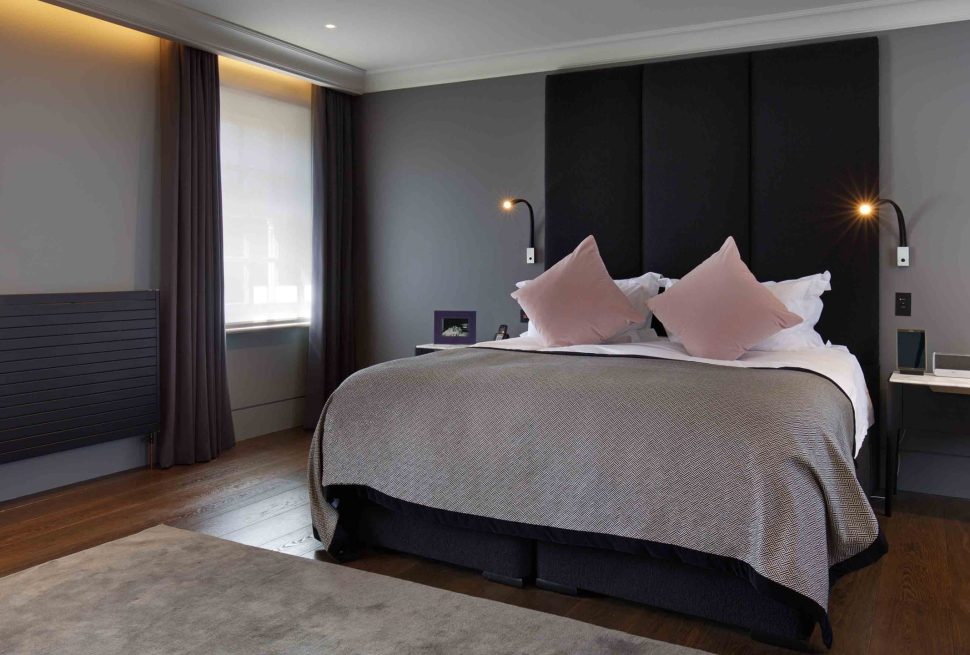
Custom fabrics transform interiors from ordinary to extraordinary. They bring personality, texture, and style into every room. Beyond looks, they serve practical purposes like controlling light, improving acoustics, and enhancing comfort. The art of integrating fabrics seamlessly into a space requires creativity, technical skill, and collaboration between designers and skilled craftsmen.
Collaboration With An Architecture Firm For Cohesive Design
An architecture firm focuses on the structural and spatial aspects of a building, ensuring that design and function align. Partnering with such a firm allows fabric choices to complement the overall architectural vision. When selecting materials, colors, and patterns, the interior must feel harmonious with walls, ceilings, and natural light. A strong relationship with an architecture firm ensures that drapery, upholstery, and other fabric installations enhance the design rather than clash with it. Architecture firms bring expertise in scale, proportion, and material compatibility, ensuring custom fabric solutions fit seamlessly within the intended environment.
Role Of A Drapery Workroom In Creating Tailored Textiles
A drapery workroom is a specialized studio where fabrics are measured, cut, and sewn to precise specifications. Skilled artisans transform raw materials into curtains, blinds, and upholstery that are functional and stylish. Working closely with designers and architecture firms, the drapery workroom ensures every stitch aligns with the space’s aesthetics. These workrooms often handle custom patterns, linings, and hardware, allowing clients to achieve a look that is truly one-of-a-kind. The expertise within a drapery workroom elevates interior spaces by blending design vision with technical precision.
Selecting Fabrics That Balance Beauty And Function
Choosing the right fabric involves more than color and pattern. Materials must be durable, fade-resistant, and suitable for the room’s purpose. Heavy fabrics can provide insulation and privacy, while lighter ones create a sense of airiness and flow. Patterns and textures contribute to mood and visual interest. When coordinated with architectural elements, fabrics enhance both style and usability. Custom solutions allow designers to consider lighting, traffic patterns, and acoustics, ensuring that every fabric serves multiple roles effectively.
Enhancing Interior Harmony Through Fabric Detailing
Details like pleats, trims, and linings may seem small but have a major impact on aesthetics. Custom tailoring allows these elements to reflect the broader design theme. Drapery workrooms can incorporate finishes that echo furniture, wall textures, or ceiling features. Even subtle touches, such as coordinating hardware with curtain rods or hidden linings, can elevate the overall look. By emphasizing precision and cohesion, interiors feel polished, intentional, and comfortable.
Integrating Fabric With Architectural Elements
Fabric does not exist in isolation. It interacts with light, structure, and furnishings. Custom window treatments can soften harsh lines or highlight architectural features. Draped fabrics can guide the eye toward focal points or create cozy corners in larger spaces. Architecture firms often advise on scale, placement, and layering, ensuring fabrics enhance the intended spatial experience. This integration ensures interiors are both visually striking and functional.
Conclusion
Custom fabric solutions are more than decorative choices—they are tools that enhance functionality and elevate aesthetics. Collaboration with an architecture firm ensures that these fabrics complement the broader design vision. Skilled artisans in a drapery workroom bring these ideas to life with precision and creativity. When fabrics are thoughtfully selected and expertly executed, interiors achieve a sense of harmony, comfort, and sophistication that cannot be replicated with off-the-shelf solutions. Every detail, from texture to trim, contributes to a cohesive and inviting environment that reflects both style and purpose.