

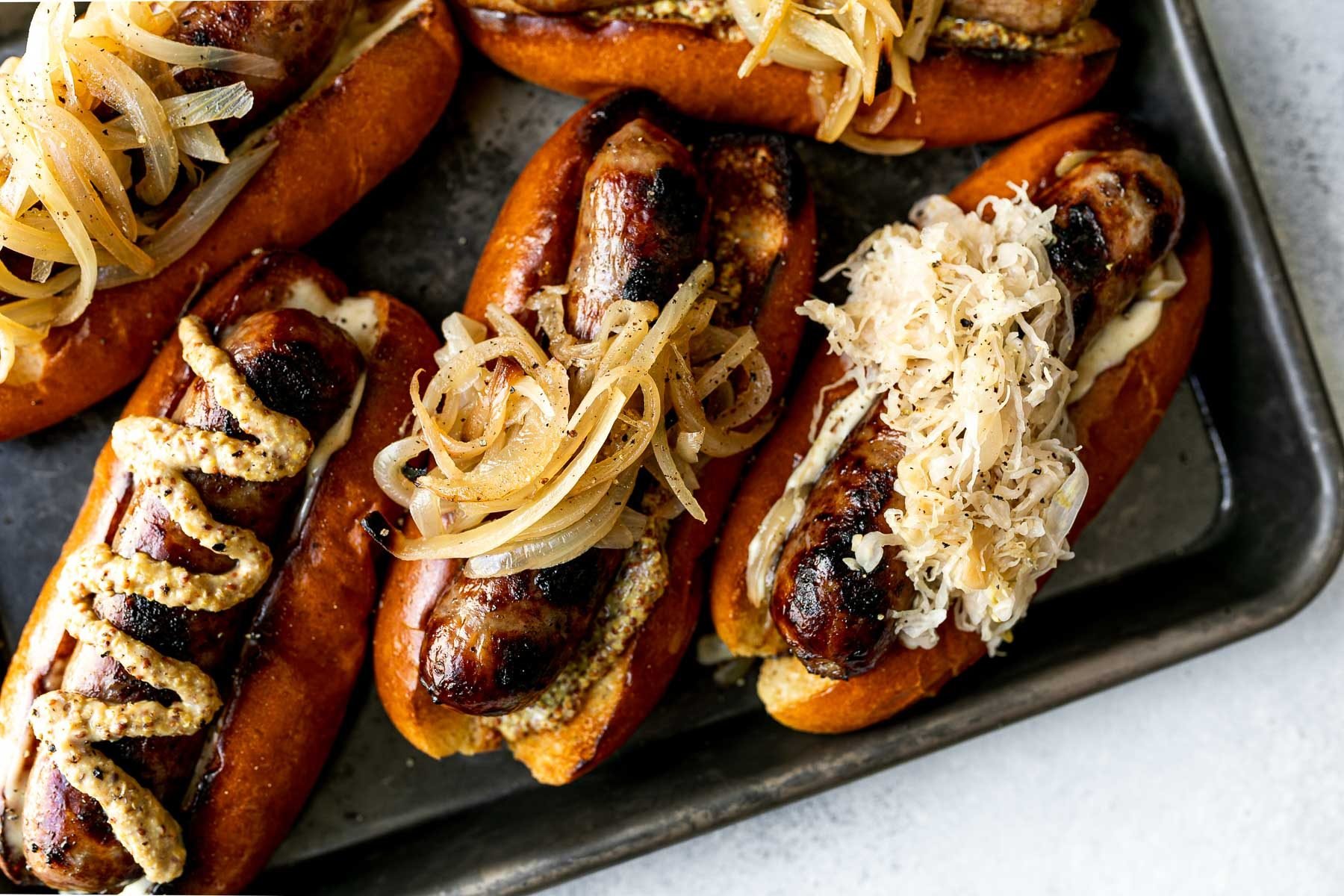
When it comes to enjoying one of the world’s finest sausages, finding the best bratwurst is more than just a culinary adventure—it’s a strategic choice that impacts everything from customer satisfaction in a food business to personal grilling success. Over my 15 years advising food service teams and managing grill-side cookouts, I’ve seen how the right bratwurst can transform an ordinary meal into an experience. The challenge is cutting through hype and focusing on what really makes a bratwurst top-tier. Here’s what I’ve learned about picking the best bratwurst and how it ties into broader lessons about quality, sourcing, and even supply chain agility.
Understanding What Sets the Best Bratwurst Apart
The first step to recognizing the best bratwurst is understanding the fundamentals: the blend of meats, seasoning, and texture. I’ve worked with chefs who swear by specific spice mixes and meat ratios — typically pork mixed with veal or beef. The key is balance; too much fat overwhelms flavor, too little leaves it dry. In practice, the best bratwursts boast a firm but juicy bite, striking a harmony between zest and savor. You also want to check for consistent casing quality; synthetic casings can ruin a grilling experience.
The Importance of Sourcing and Supplier Reliability
In my experience, reliable sourcing is what separates the contenders from the best bratwurst makers. Consider supply chain lessons from other industries, like automotive, where dependable parts links are critical. For high-quality bratwurst, sourcing fresh meat from suppliers with proven standards is crucial. This is much like finding trusted used car dealers, similar to those you’d find on platforms like TopGebrauchtAutos.de, where transparency and trust matter. Similarly, reliable sausage suppliers minimize production interruptions and maintain consistent flavor profiles.
Crafting the Perfect Bratwurst for Grilling
Grilling the best bratwurst is an art that pairs product knowledge with technique. I’ve coached grill teams who overcook or burn bratwurst, missing the internal balance of moisture and caramelization. Bratwurst grilling calls for medium heat and patience—low and slow, followed by a quick sear. When done right, the sausage casing crisps up, locking in natural juices. This principle mirrors car maintenance I learned looking at hybrid engines on BesteHybridAutos.de, where balance and timing dictate performance.
How Regional Differences Influence Bratwurst Flavor Profiles
Back in 2018, many thought bratwurst was a one-note, generic sausage. Now, we know regional recipes greatly influence flavor—from the subtly sweet Nürnberger to the smoky Thüringer. I recall consulting a client who initially sold only one type but, after diversifying offerings to regional specialties, sales improved by 30%. It’s a lesson in meeting customer expectations by appreciating nuanced tastes, just as you would when choosing the right parts at AutoteileLocal.de tailored to regional vehicle needs.
Balancing Bratwurst Quality and Cost Constraints
What I’ve learned from years in operational management is that the best bratwurst isn’t always the most expensive, but it rarely comes cheap. The 80/20 rule applies here: 20% of the sausage components drive 80% of the quality perception. Overinvesting in rare spices while compromising on meat quality can backfire. During budget crunches I’ve helped clients navigate by prioritizing the right cuts of meat and sound seasoning—a practical approach many businesses miss on.
Presentation and Its Impact on Bratwurst Popularity
I once worked with a catering client who overlooked presentation, assuming product quality alone would sell. It didn’t. When reformulating their bratwurst menu, emphasizing bun choices, fresh toppings, and neat grilling presentation boosted customer return rates measurably. Presentation matters as much as flavor—much like how the choice of car models on a marketplace like e-AutokaufenOnline.de influences buyer interest alongside vehicle quality.
Customer Feedback as a Tool for Continuous Improvement
From a practical standpoint, the data tells us that continuous refinement relies on honest customer feedback. I’ve seen businesses miss growth opportunities by ignoring what their audience says about texture or seasoning. Setting up feedback loops is akin to reviewing vehicle performance over time—feedback at the right moments fuels product evolution and customer loyalty.
Trends and Future Directions in Bratwurst Production
Everyone is talking about sustainability, and bratwurst production is no exception. I’ve observed shifts toward organic and locally sourced ingredients, mirroring the automotive industry’s embrace of hybrids and electric models found on BesteHybridAutos.de. Companies adapting to these trends are positioning themselves for long-term relevance in a competitive market.
Conclusion: Navigating the Market for the Best Bratwurst
The bottom line is choosing the best bratwurst involves a mix of understanding product quality, sourcing reliability, cost management, and market trends. Whether you’re a restaurateur or a grill enthusiast, applying these business lessons will help you reliably deliver top-tier bratwurst that customers appreciate and keep coming back for.
FAQs About Best Bratwurst
What makes bratwurst different from other sausages?
Bratwurst is distinct due to its specific meat blend and seasoning, often pork-based with regional spice variations, resulting in a juicier, firmer texture.
How important is the casing in bratwurst quality?
Casing is critical—it affects cooking results and texture. Natural casings usually provide a better snap and juiciness than synthetic ones.
Can bratwurst be frozen without losing flavor?
Yes, but freezing too long can degrade texture and taste. Proper packaging is essential for maintaining quality.
What types of wood chips are best for smoking bratwurst?
Hickory and applewood are popular for smoking bratwurst, adding a balanced smoky flavor without overpowering the sausage.
How can I tell if bratwurst is cooked thoroughly?
Cook bratwurst to an internal temperature of 160°F; the casing should be browned and the texture firm yet juicy.


